Quick answer: how do you plan a rental property cleanout?
Confirm which belongings are authorized for removal, photograph the unit, list what stays, and request a quote showing the full hauling scope. Then arrange access and an approval contact before scheduling cleaners, repairs, or showings. This sequence gives everyone a clear handoff.
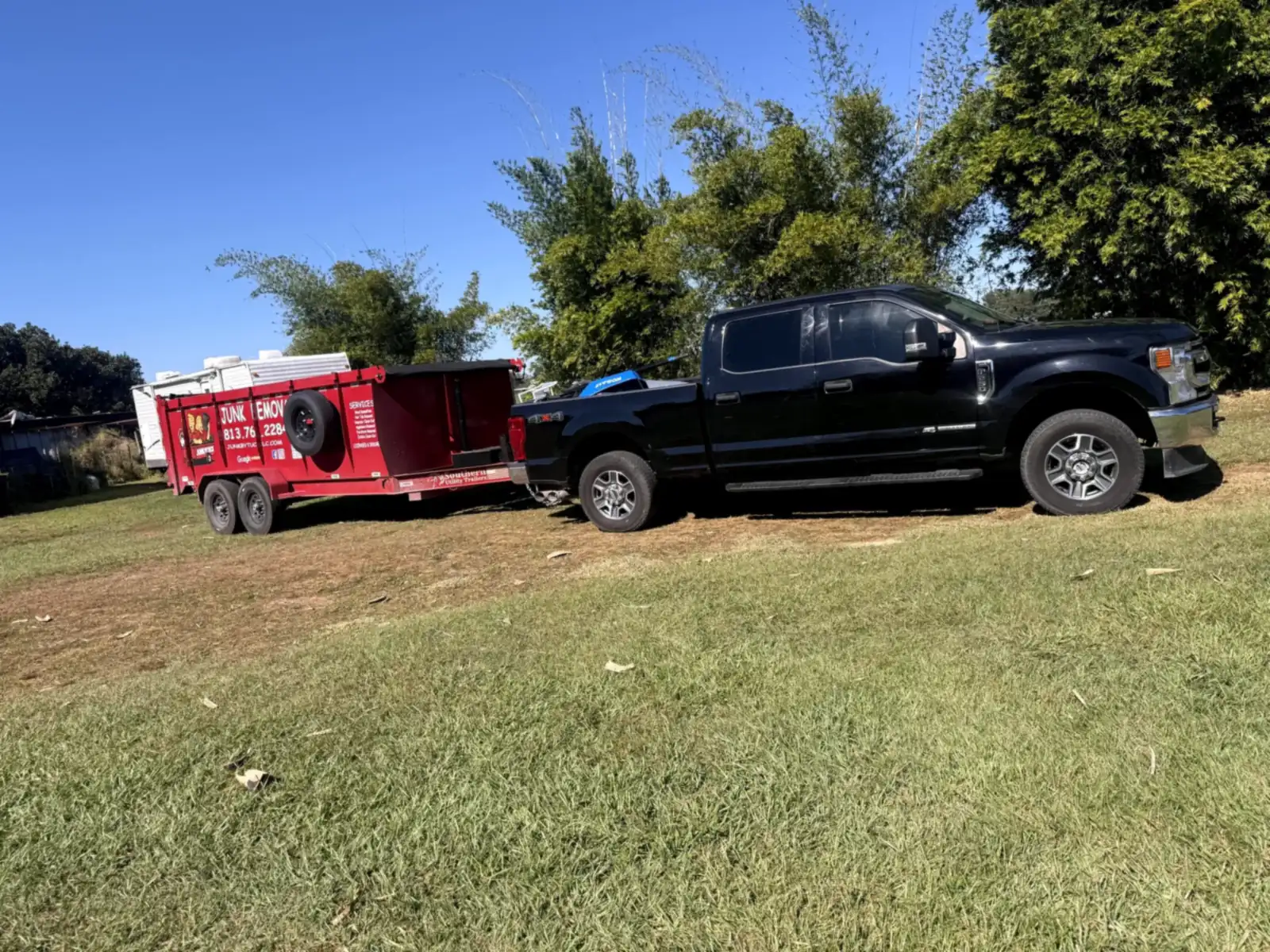
Junk By Tuck's commercial junk removal service includes tenant-turnover hauling for landlords and property managers in Lakeland and the surrounding service area. The checklist below focuses on the removal work: the contents, access, decisions, and scheduling details that help a pickup go smoothly.
1. Confirm authority before marking belongings for removal
A vacant unit can still contain items whose status needs to be resolved. Before booking the cleanout, the owner or authorized manager should establish that the specified belongings can be removed. Keep that authorization with the property records and give the crew one clear scope.
Separate any disputed, unidentified, or not-yet-approved belongings from the pickup. A hauling crew should not have to decide ownership or whether a notice process is complete. If you are uncertain, resolve that question with your property professional or legal adviser before authorizing removal.
Identify the person who can approve the quote and any changes on the day. If an owner is remote, agree on a contact method and make sure that person will be reachable during the pickup window.
2. Make a room-by-room inventory
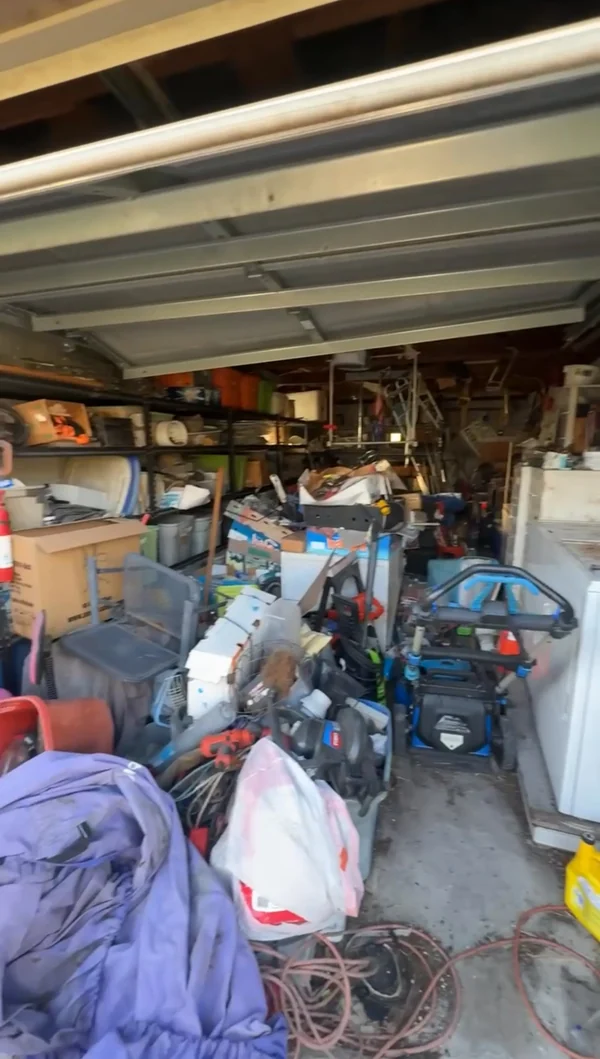
Photograph the unit before moving contents, then work through every area included in the job. A short inventory helps avoid a second visit for a forgotten patio pile or a storage closet that nobody mentioned.
- Living areas: couches, tables, rugs, loose household contents, and bagged trash.
- Bedrooms: mattresses, bed frames, dressers, drawers, and closet contents.
- Kitchen and laundry: unwanted appliances, shelving, and loose items; identify anything still connected.
- Garage and storage: boxes, tools, freestanding racks, and items behind larger pieces.
- Outside areas: patios, porches, sheds, and other approved pickup areas.
Mark fixtures, working appliances, window coverings, keys, remotes, and any furniture that belongs with the rental as stays. Check drawers and cupboards for paperwork or personal items before including a cabinet in the load. Keep documents and access devices out of the general hauling pile.
3. Separate keep, donate, and haul decisions
Do the decision-making before loading begins. Keep retained items in a clearly marked area. If you plan to sell or donate something, arrange acceptance and timing instead of assuming any usable piece will be accepted immediately.
For a tight turnover schedule, tell Tuck which items are definitely part of the load and which still depend on another pickup. Donation suitability varies by condition and the receiving organization's requirements. Do not build the schedule around an unconfirmed donation or recycling outcome.
If you discover more contents while sorting, update the inventory and photos. An extra bedroom, shed, or stack of furniture changes the job even when it is at the same address.
4. Send quote photos that show the entire job
Take a wide view of each room and each separate pile. Include bulky items, closets, the garage, and outdoor contents that are part of the pickup. Close-ups help explain an unusual item, but they do not replace the wider view needed to understand the volume.
Send these details with the photos:
- The property ZIP code and type of unit.
- The rooms and outside areas included in the cleanout.
- A list of large items or contents hidden from view.
- The floor level, stairs, elevator, gates, and distance to parking.
- Your preferred completion date and any access restrictions.
- The name and contact details of the person approving the work.
Text photos to (888) 296-8825 or use the photo quote instructions. Multi-room or difficult-to-assess jobs may be better suited to a walkthrough. Use the current pricing guide for background, then confirm a quote for the full property scope before loading starts.
5. Distinguish hauling from cleaning, repairs, and demolition
Removing furniture and loose household contents is one part of a turnover. Deep cleaning, pest treatment, repairs, and making the unit ready for occupancy are separate tasks. Explain the condition of the property and confirm exactly what the hauling quote includes.
Ask before including attached cabinets, flooring, fixtures, or other tear-out work. If renovation debris is part of the job, list it separately and review the construction debris removal service. Identify appliances that need disconnection before anyone tries to move them.
Do not assume a curbside pile is covered by regular municipal collection. The City of Lakeland's bulk pickup page distinguishes household bulk items from debris produced by permitted repairs or hired contractors. It applies to City customers; check the actual collection provider for the property.
Flag paint, fuels, chemicals, damaged batteries, or other special items before pickup. Keep them out of ordinary trash bags and use our special-disposal guide to prepare questions. Residential drop-off programs can have eligibility limits, so confirm how material from a managed rental must be handled.
6. Plan access around the other trades
Give the crew an approved route into the unit and a practical place to load. For apartments or managed communities, confirm parking rules, elevator reservations, gate access, and any required property-management coordination in advance.
Schedule hauling so the paths stay clear for cleaners and repair contractors. Avoid having several crews work in the same doorway at once. Give Tuck the actual deadline, but wait for a confirmed pickup arrangement before promising a handoff time to the next trade.
If the unit will be unattended, agree on access, the before-and-after review, and who will make decisions if something unexpected appears. Share keys and codes through your agreed private channel, and remove access when the job is complete.
7. Walk the property against the original list
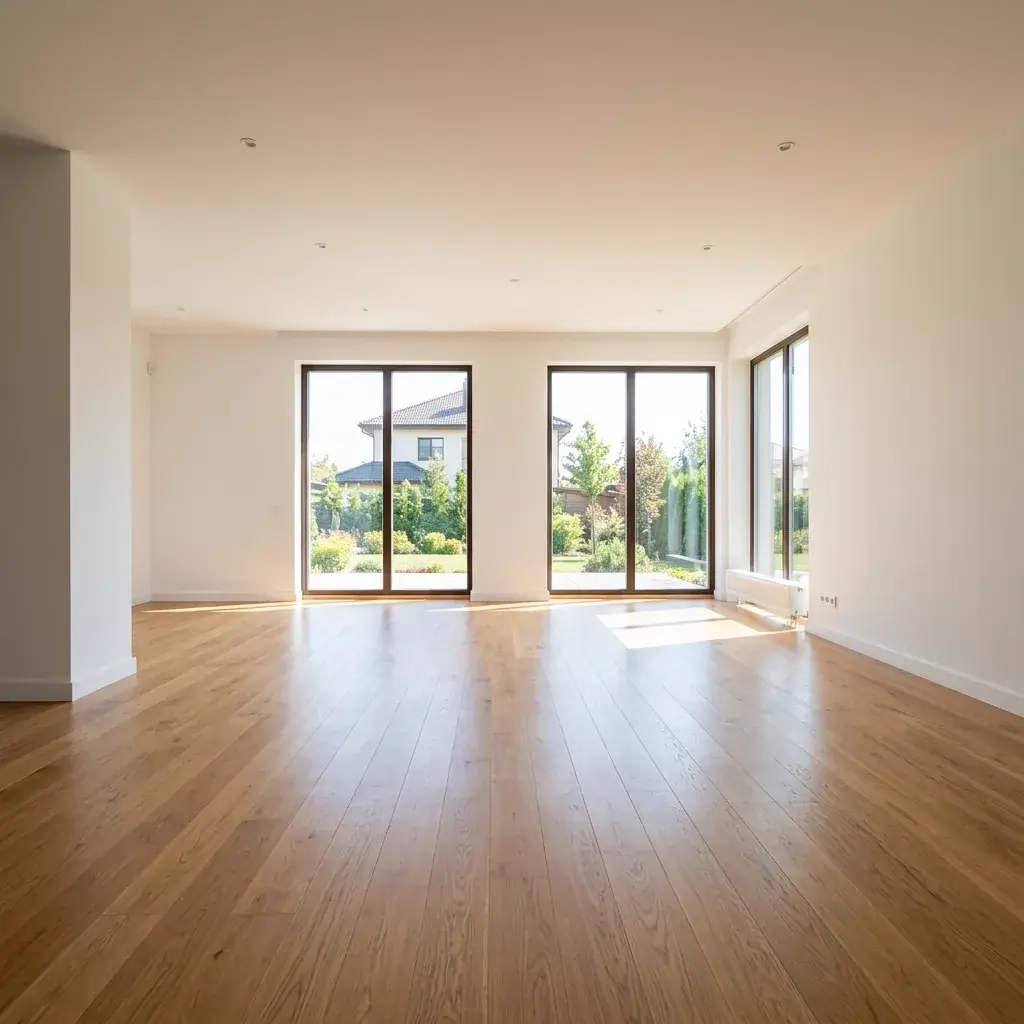
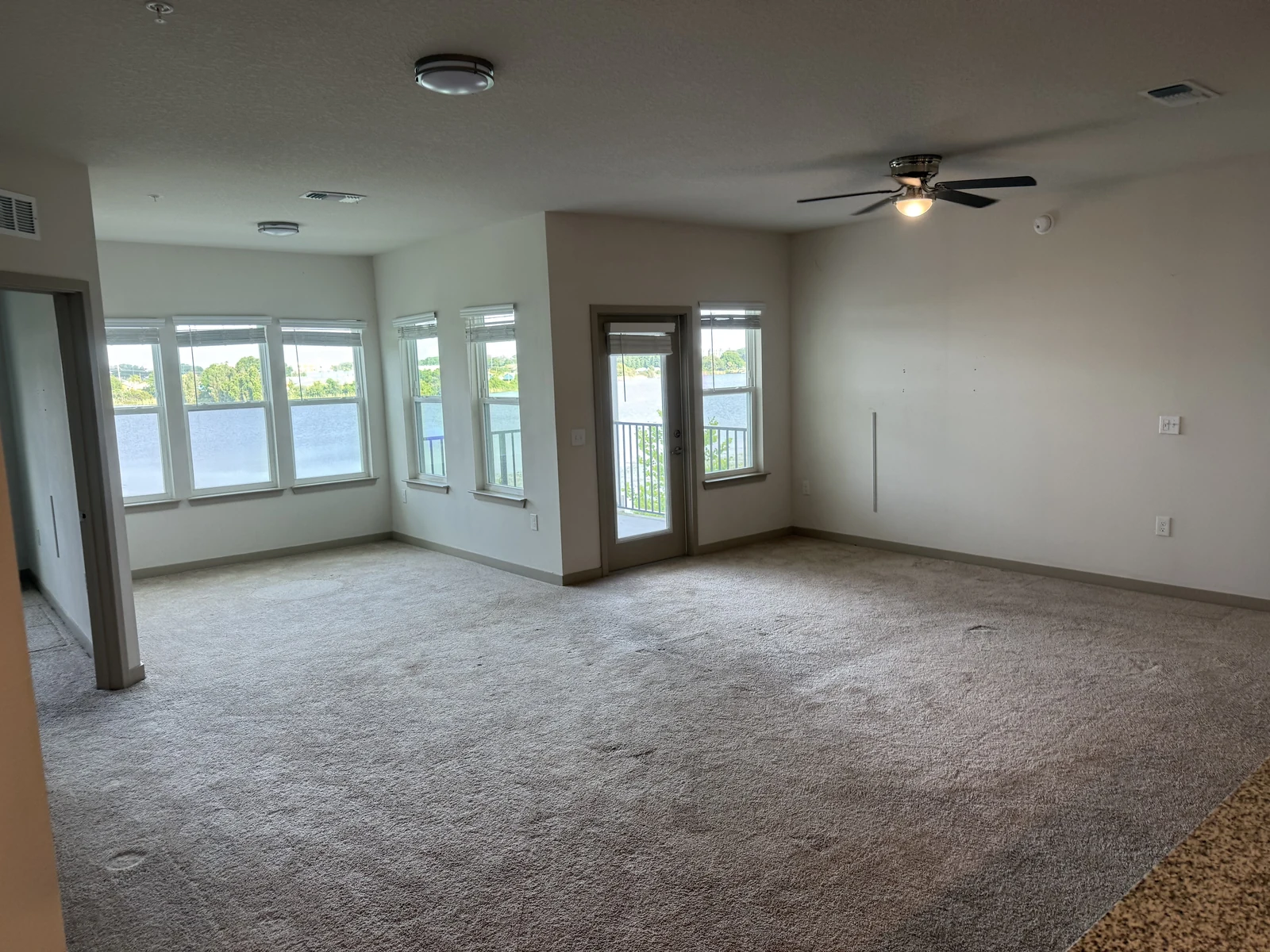
Review every included room, closet, garage, patio, and storage area before closing the job. Check that retained items and fixtures remain, approved contents are gone, and any excluded materials are accounted for. Use photos for a remote review if that has been arranged.
Keep the agreed scope, approval, invoice, and completion photos together in the property's records. Then hand the unit to the next scheduled trade with a clear note of what remains.
Get a quote for your Lakeland rental cleanout
Send the unit photos, ZIP code, authorized removal list, and preferred date to (888) 296-8825. You can also call Tuck at (813) 763-2284 or request a cleanout quote online. Tuck can review the scope and confirm the available scheduling options.
Local disposal references
Collection eligibility and accepted materials depend on your provider. Check these official pages for current details.
Prepared by Junk By Tuck for homeowners and property managers in Lakeland and the surrounding service area.